
Our model
Plan. Deliver. Verify.
We help funders deliver schools, clinics and water schemes, and prove they work. One asset, followed for two years, from the first community meeting to the 24-month check.
The standard
Every number observed, not supplied. A built-environment professional sees it on site, or it does not go in the report.
Plan
Before the build
Who is it for, and what will “working” mean?
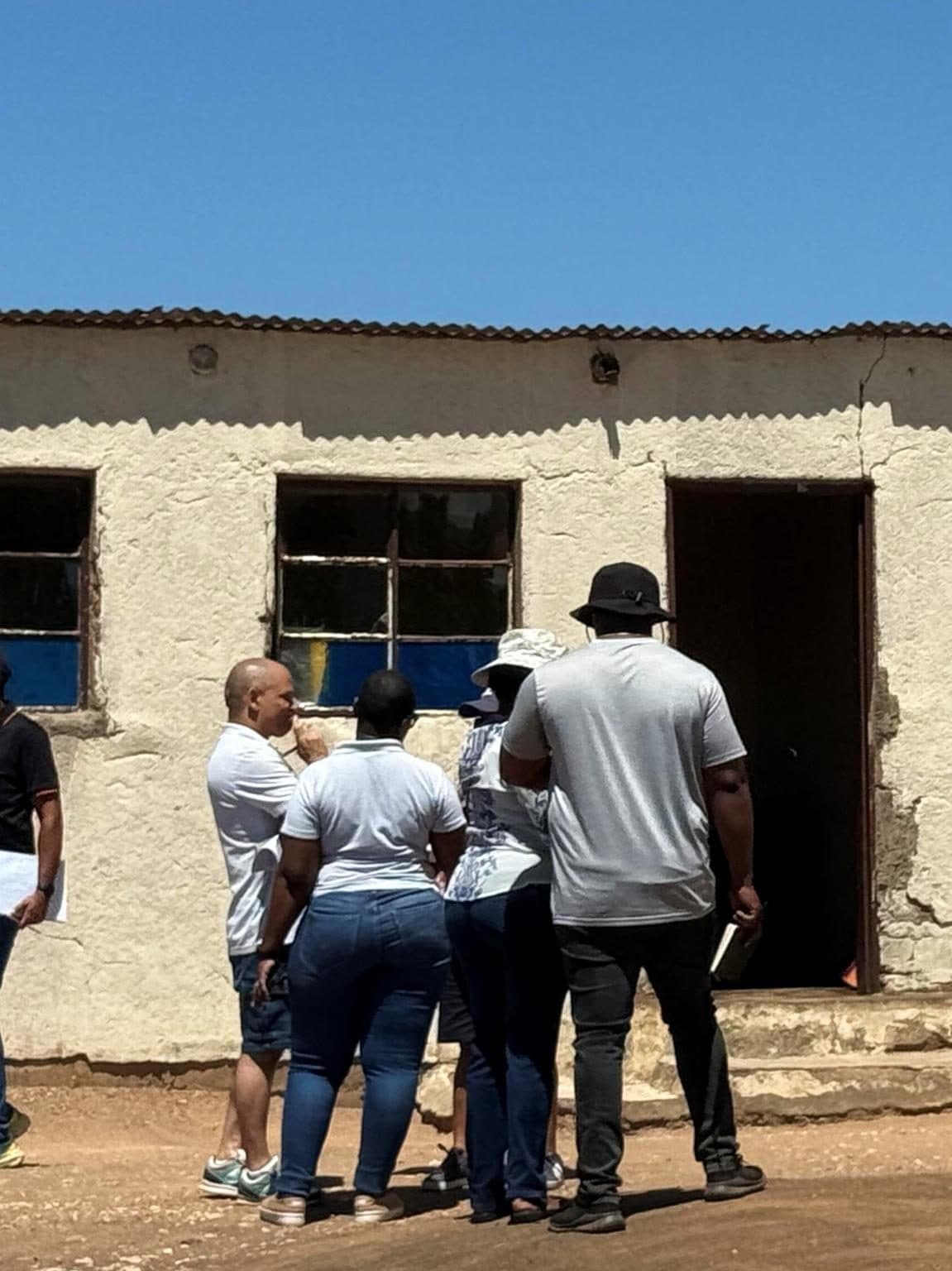
We plan with the community. Before anything is built, we agree who the asset is for, what gap it closes, and what “working” will mean when we come back to check.
This is the baseline: catchment, current service access, IDP alignment and the consultation record.
Deliver
During the build
Is it built to spec, on time and on budget?
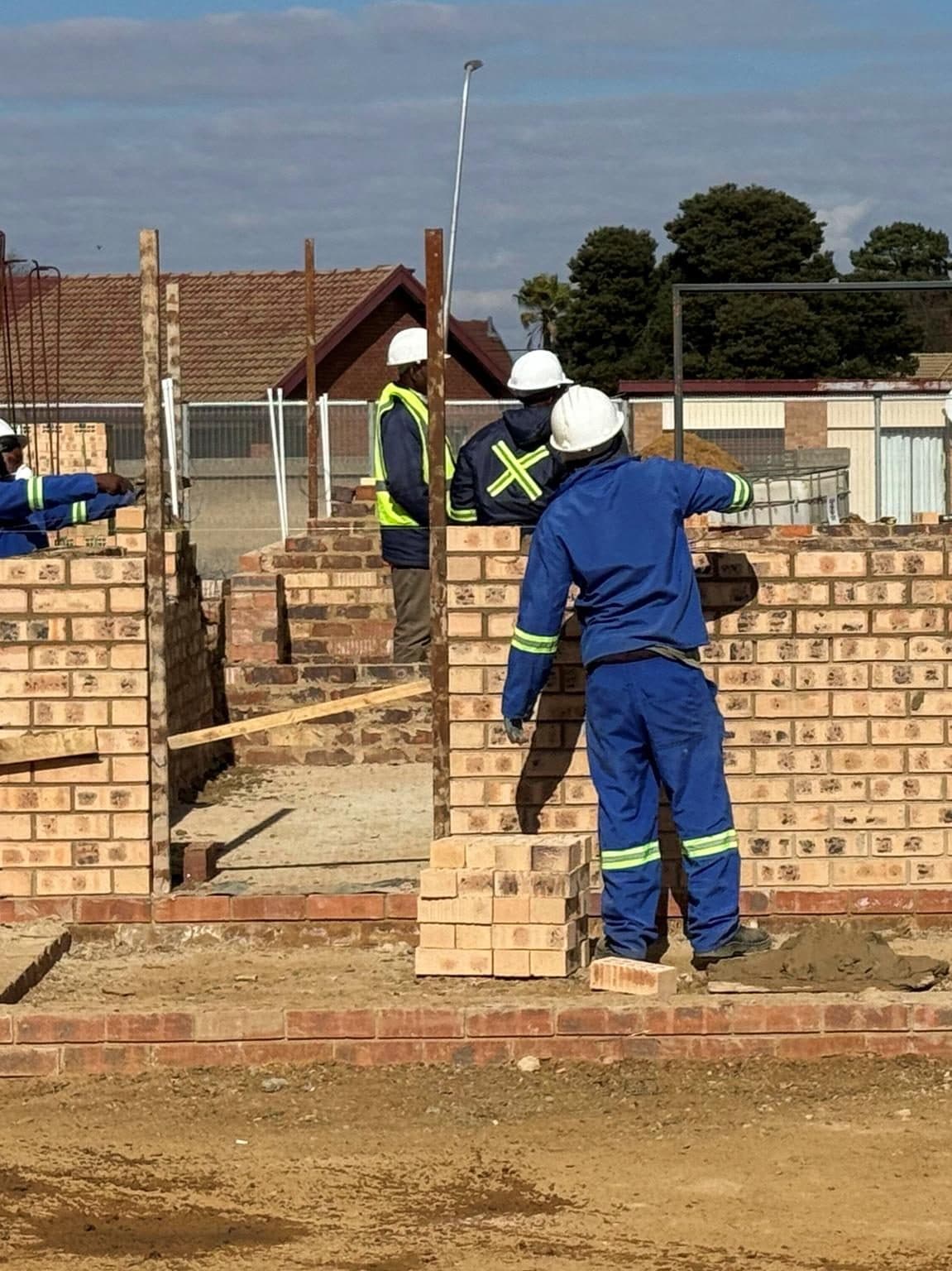
We track the build against the plan: to spec, on time, on budget, with local labour and procurement.
Defects are logged at handover, so the first check after opening starts from a known position.
Verify
6, 12 and 24 months
Is it open, staffed, working and used?
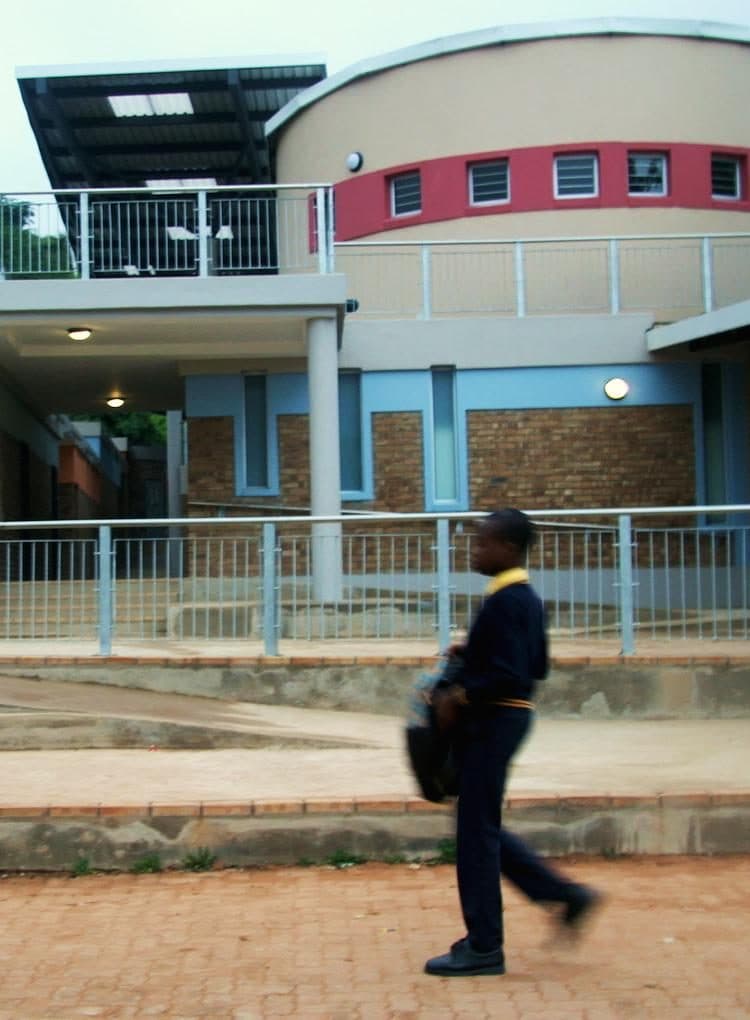
Civic Foundry VerifiedWe go back at 6, 12 and 24 months. Open, staffed, working, used. Every number is evidenced on site, not supplied by the implementer.
The result is a one-page scorecard and an evidence pack, in the language of the reports the funder already has to file.
Four checkpoints
What is checked, and when.
1Baseline
Before the build
Who is it for? What is the gap? What will “working” mean? Catchment, current service access, IDP alignment, consultation record.
2Delivery
During the build
Built to spec, on time, on budget. Local labour and procurement share. Defects at handover.
3Activation
0 to 6 months
Open, services connected and functioning, staff posted, equipment and furniture in place. Where most SA infrastructure fails.
4Performance
12 and 24 months
Utilisation against design capacity, core systems working, maintenance state, community perception, early outcome indicators.
Planned with the community
The people who decide whether a building is used
A building is only working if the people it was built for use it. We bring councillors, the municipality, business, school governing bodies and neighbours into the plan.
At every visit after opening, we ask the same community panel how it is going, so change is real.
Public Sector
- Local officials (councillors)
- Municipality
- Regional officials
Institutions
- Business associations
Communities
- Nearest neighbours
- The local community to the site
- Employees
- Entrepreneurs and SMMEs linked to the project
- Tribal leaders
- School governing body
Assets designed or built by others
Civic Foundry inspects, collects and signs the report.
Assets designed or built by CDG
Civic Foundry collects the data. A named third party, a university unit or registered evaluator, signs the report.